Mastering the Oracle ERP Suite: A Guide to Streamlining Your Business
The Oracle ERP suite is a powerful and comprehensive tool that can help businesses of all sizes streamline their operations, improve efficiency, and gain a competitive edge. But with its complexity and vast array of features, navigating the Oracle ERP suite can feel like traversing a dense jungle. Fear not, my fellow business adventurers, for this guide will equip you with the knowledge and insights needed to conquer this digital terrain and unlock the full potential of Oracle ERP.
Let’s start by understanding what exactly the Oracle ERP suite is and why it’s become such a dominant force in the enterprise software landscape. Essentially, Oracle ERP is a suite of integrated applications designed to manage critical business processes across various departments, from finance and human resources to supply chain management and customer relationship management. It’s a one-stop shop for businesses seeking to centralize their data, automate tasks, and gain real-time visibility into their operations.
The beauty of the Oracle ERP suite lies in its modularity. Businesses can choose the modules they need, creating a tailored solution that aligns with their specific requirements. This flexibility allows organizations to scale their ERP system as their business grows, ensuring that it remains relevant and effective throughout their journey. But with this modularity comes a need for careful planning and implementation. Choosing the right modules, integrating them seamlessly, and customizing them to fit your unique workflows are crucial steps in maximizing the value of your Oracle ERP investment.
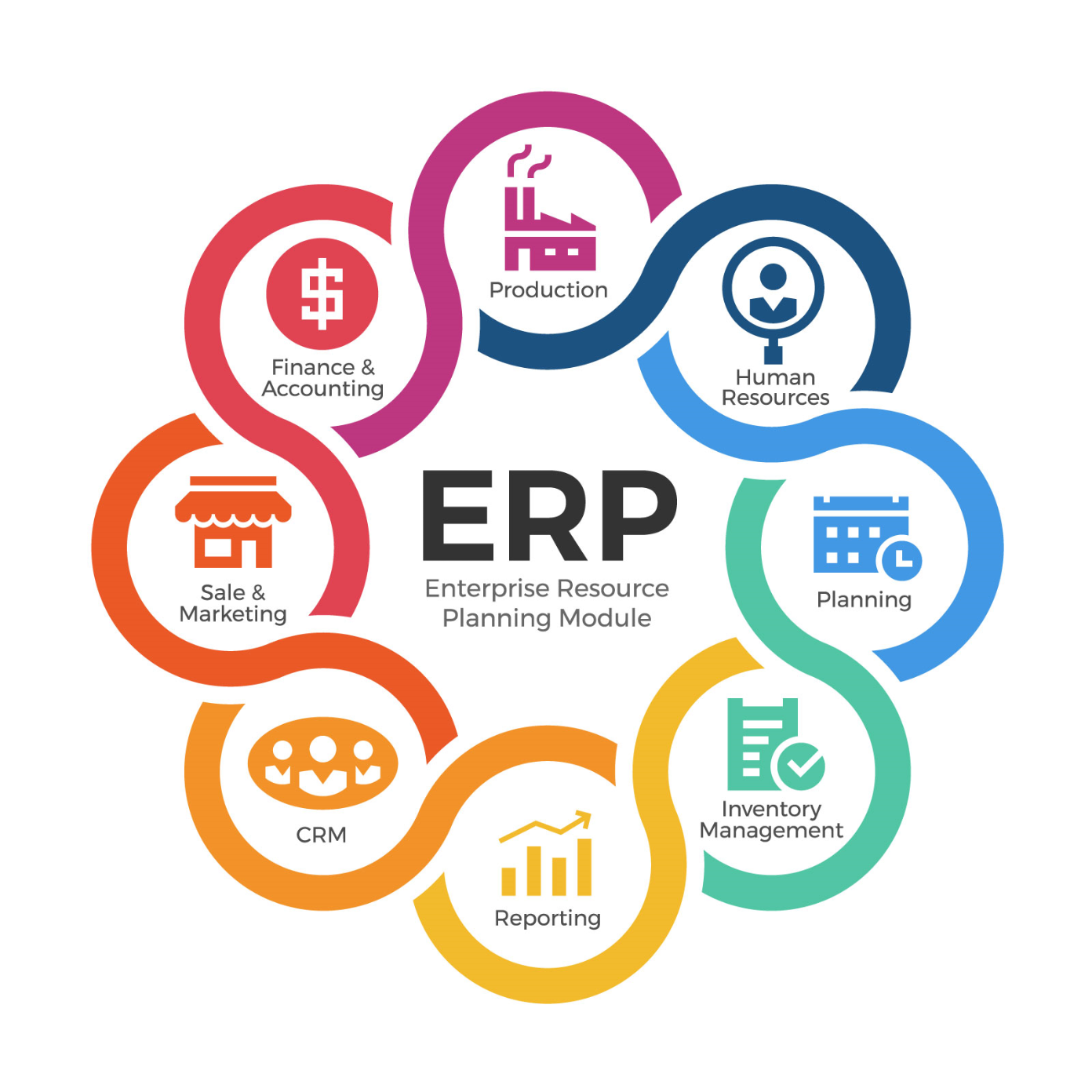
Unveiling the Power of Oracle ERP Modules: A Deep Dive into Functionality
Now, let’s delve into the core modules that make up the Oracle ERP suite and explore how they can empower your business. The Oracle ERP suite is a comprehensive ecosystem, offering a wide array of modules that cater to specific business needs. Understanding these modules and their functionalities is key to leveraging the power of the Oracle ERP suite effectively.
One of the most fundamental modules is Oracle Financials, which serves as the heart of financial management within the ERP system. It encompasses everything from general ledger and accounts payable to accounts receivable and fixed assets management. By centralizing financial data and processes, Oracle Financials provides a single source of truth for financial reporting, enabling accurate and timely decision-making.
Another crucial module is Oracle Human Capital Management (HCM), which focuses on managing your workforce. From recruitment and onboarding to payroll and benefits administration, Oracle HCM streamlines human resources processes and provides valuable insights into workforce performance and talent management. With its comprehensive features, Oracle HCM empowers businesses to build a highly engaged and productive workforce.
Oracle Supply Chain Management (SCM) is a powerful module that helps businesses optimize their supply chain operations. From procurement and inventory management to transportation and logistics, Oracle SCM provides a holistic view of the supply chain, enabling businesses to improve efficiency, reduce costs, and ensure timely delivery of goods and services.
Navigating the Implementation Journey: A Roadmap to Success
Implementing an Oracle ERP suite is a significant undertaking that requires careful planning and execution. It’s not just about installing software; it’s about transforming your business processes, integrating systems, and adapting to new ways of working. To ensure a smooth and successful implementation, it’s essential to follow a structured approach.
The first step is to define your business requirements clearly. Identify your pain points, desired outcomes, and key performance indicators (KPIs) that will measure the success of your implementation. This will help you select the right modules, customize them effectively, and ensure that the Oracle ERP suite aligns with your strategic goals.
Next, you need to assemble a dedicated implementation team with the necessary expertise and experience. This team will be responsible for managing the project, coordinating with Oracle consultants, and training your employees. A well-defined implementation plan with clear timelines, milestones, and responsibilities is crucial for keeping the project on track.
Don’t underestimate the importance of user training. Successful ERP implementation depends on user adoption. Thorough training programs that cover the functionalities of the new system, best practices, and troubleshooting tips are essential for ensuring smooth transition and maximizing user engagement.
Beyond the Basics: Advanced Oracle ERP Features
While the core modules provide a solid foundation for managing key business processes, the Oracle ERP suite offers a plethora of advanced features that can take your operations to the next level. Let’s explore some of these powerful capabilities.
One such feature is Oracle Business Intelligence (BI), which provides powerful analytics and reporting capabilities. By leveraging data from various modules, Oracle BI enables businesses to gain valuable insights into their operations, identify trends, and make data-driven decisions. With its interactive dashboards and customizable reports, Oracle BI empowers businesses to visualize their data, uncover hidden patterns, and gain a competitive edge.
Another advanced feature is Oracle Cloud Integration, which allows businesses to connect their Oracle ERP system with other cloud-based applications. This enables seamless data exchange and workflow automation across different systems, breaking down silos and creating a unified ecosystem. Oracle Cloud Integration also provides flexibility and scalability, allowing businesses to integrate with new applications as their needs evolve.
Oracle’s mobile capabilities extend the reach of the ERP suite beyond the office walls. With mobile applications, users can access key ERP functionalities, such as approving expense reports, tracking inventory levels, and managing customer interactions, from anywhere, anytime. This mobile access enhances productivity, improves collaboration, and keeps businesses connected on the go.
Navigating the Future of Oracle ERP: Staying Ahead of the Curve
The world of enterprise software is constantly evolving, and Oracle ERP is no exception. To stay ahead of the curve and maximize the value of your ERP investment, it’s essential to keep abreast of the latest advancements and trends.
Oracle is continuously enhancing its ERP suite with new features, functionalities, and integrations. Staying informed about these updates and exploring their potential benefits for your business is crucial for staying competitive. Consider attending industry events, subscribing to Oracle’s newsletters, and engaging with online communities to stay up-to-date on the latest developments.
One key trend to watch is the increasing adoption of cloud computing. Oracle offers a cloud-based version of its ERP suite, Oracle Cloud ERP, which provides numerous benefits, including scalability, flexibility, and cost-effectiveness. Exploring the advantages of Oracle Cloud ERP and evaluating its suitability for your business can be a strategic move towards future-proofing your operations.
Another important trend is the growing focus on data analytics and artificial intelligence (AI). Oracle is integrating AI capabilities into its ERP suite, enabling businesses to gain deeper insights from their data, automate tasks, and improve decision-making. Exploring these AI-powered features and understanding how they can enhance your business processes can unlock new levels of efficiency and productivity.
Conclusion: Embracing the Power of Oracle ERP
Mastering the Oracle ERP suite is a journey of continuous learning and adaptation. It’s about understanding the capabilities of the system, tailoring it to your specific needs, and leveraging its power to drive efficiency, improve decision-making, and gain a competitive edge. By embracing the power of Oracle ERP and staying ahead of the curve, you can unlock the full potential of your business and embark on a path to lasting success.


