Cloud Accounting Software for Small Business: Your Digital CFO
Running a small business is a constant balancing act. You’re juggling everything from sales and marketing to inventory and payroll, all while trying to keep your finances in order. It can feel overwhelming, especially when you’re trying to manage everything manually. That’s where cloud accounting software comes in. It’s a game-changer for small businesses, offering a suite of features that can streamline your financial processes, save you time, and provide valuable insights to help you make better decisions.
Cloud accounting software is basically your digital CFO. It’s a centralized platform that lets you access your financial data from anywhere, anytime. You can track your income and expenses, generate reports, manage invoices, and even reconcile your bank accounts. The best part? It’s all done online, so you can ditch the spreadsheets and paper trails and focus on growing your business.
Think of it like this: cloud accounting software is like having a team of accountants working for you 24/7. It automates many of the tasks that would normally take hours to complete manually, freeing up your time to focus on other aspects of your business. And because the data is stored in the cloud, you don’t have to worry about losing it or having to back it up manually. You can access your data from any device with an internet connection, making it perfect for busy entrepreneurs who are constantly on the go.
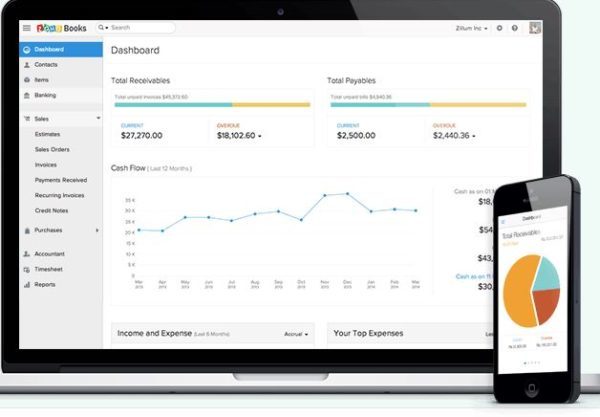
Top Features of Cloud Accounting Software for Small Businesses
The beauty of cloud accounting software lies in its versatility. It’s not just about tracking your finances, it’s about providing you with the tools you need to make informed decisions about your business. There are a ton of features, but here are some of the most essential for small businesses:
Automated invoicing and payments: Say goodbye to manually creating invoices and chasing down payments. Cloud accounting software lets you create and send invoices electronically, track their status, and even accept online payments. This streamlines your billing process, reduces errors, and gets you paid faster.
Bank reconciliation: Reconciling your bank accounts can be a tedious and time-consuming task, but it’s essential for keeping your books accurate. Cloud accounting software automates this process by automatically importing your bank transactions and matching them with your records. This saves you countless hours and eliminates the risk of errors.
Expense tracking: One of the biggest challenges for small businesses is keeping track of their expenses. Cloud accounting software makes it easy to track your spending, categorize it, and even create reports to see where your money is going. This can help you identify areas where you can cut costs and improve your profitability.
Reporting and analytics: Data is king, and cloud accounting software gives you access to a wealth of financial data. You can generate reports on your income, expenses, cash flow, and more. These reports can help you identify trends, make better decisions, and ultimately grow your business.
Inventory management: If you sell physical products, cloud accounting software can help you manage your inventory. You can track your stock levels, set up reorder points, and even create sales orders. This helps you avoid stockouts and ensures that you always have enough inventory on hand to meet demand.
Payroll: Payroll is another essential function that cloud accounting software can handle. You can automate your payroll calculations, generate paychecks, and even file your taxes electronically. This simplifies the payroll process and reduces the risk of errors.
Collaboration: Cloud accounting software allows you to collaborate with your accountant or bookkeeper, even if they’re located in a different city or country. You can share data, access reports, and even communicate directly within the platform. This makes it easier to work together and ensures that everyone is on the same page.
Choosing the Right Cloud Accounting Software for Your Business
With so many different cloud accounting software options available, choosing the right one for your business can feel overwhelming. Here are some factors to consider:
Industry: Some cloud accounting software programs are designed specifically for certain industries, such as retail, healthcare, or manufacturing. Look for a software program that caters to the specific needs of your industry.
Features: Consider the features you need, such as invoicing, expense tracking, reporting, and payroll. Make sure the software you choose offers all the features you need and none that you don’t.
Integration: Look for software that integrates with other business applications you use, such as your e-commerce platform, CRM, or marketing automation tools. This will help you streamline your workflows and avoid having to manually enter data into multiple systems.
Pricing: Cloud accounting software comes in a variety of price points, so consider your budget and choose a software that offers the features you need at a price you can afford.
Customer support: Choose a software provider that offers excellent customer support. You’ll want to be able to get help quickly and easily if you have any questions or problems.
Benefits of Using Cloud Accounting Software
Cloud accounting software offers a wide range of benefits for small businesses, including:
Increased efficiency: Cloud accounting software automates many of the tasks that would normally take hours to complete manually, freeing up your time to focus on other aspects of your business.
Improved accuracy: Cloud accounting software helps reduce errors by automating tasks and providing real-time data. This can help you avoid costly mistakes and ensure that your financial records are accurate.
Enhanced security: Cloud accounting software providers use advanced security measures to protect your data. This means that your financial information is safe and secure, even if your computer is lost or stolen.
Improved decision-making: Cloud accounting software gives you access to real-time data and provides insights that can help you make better decisions about your business.
Scalability: Cloud accounting software is scalable, which means you can easily add more users or features as your business grows. This allows you to adapt to changing needs without having to invest in new software or hardware.
Cost savings: Cloud accounting software can save you money in several ways, such as reducing the need for paper, postage, and other office supplies. It can also help you avoid costly mistakes and improve your profitability.
Tips for Getting the Most Out of Cloud Accounting Software
Here are a few tips for getting the most out of cloud accounting software:
Choose the right software: As mentioned before, it’s important to choose software that meets your specific needs and budget. Don’t be afraid to try out a few different options before making a decision.
Train your team: Make sure everyone on your team is trained on how to use the software. This will help ensure that everyone is using it correctly and efficiently.
Set up automated processes: Take advantage of the software’s automation features to streamline your workflows. This can save you time and reduce the risk of errors.
Use the reporting features: Cloud accounting software provides a wealth of data that can help you make better decisions. Use the reporting features to track your progress, identify trends, and make informed decisions about your business.
Get support when you need it: Most cloud accounting software providers offer excellent customer support. Don’t hesitate to reach out if you have any questions or problems.
Cloud Accounting Software is Your Business Partner
Cloud accounting software is an essential tool for any small business owner. It can help you streamline your financial processes, save time, and make better decisions. By taking advantage of the features and benefits of cloud accounting software, you can free yourself from the burden of manual accounting and focus on what matters most: growing your business.


