Navigating the Gartner Cloud Management Platform Landscape: A Veteran’s Guide
Okay, let’s talk cloud. Specifically, let’s talk about navigating that sometimes overwhelming, often confusing, and always crucial landscape of cloud management platforms, as viewed through the lens of Gartner’s insightful analyses. I’ve been wrestling with this stuff for years, helping businesses of all sizes – from scrappy startups to established giants – get a grip on their cloud strategies. And trust me, a good cloud management platform (CMP) is the difference between effortless scalability and a complete digital meltdown. Gartner’s reports are a great starting point, but they can be dense. So, let’s break it down, shall we? Think of this as your battle-tested guide to making sense of it all.
The sheer volume of options available can be paralyzing. You’ve got your single-vendor solutions, tightly integrated with their specific cloud offerings. Then there are the multi-cloud platforms, promising to manage your AWS, Azure, and GCP environments all from one pane of glass. And don’t even get me started on the niche players specializing in specific aspects of cloud management, like cost optimization or security. Gartner’s Magic Quadrant, for instance, is a fantastic resource, but it can feel like deciphering hieroglyphics if you’re not already familiar with the players. You’ll see names like VMware, ServiceNow, and AWS themselves pop up consistently, each with its own strengths and weaknesses. The key is understanding your own needs – what are your biggest challenges? Are you struggling with cost control? Is security your biggest headache? Or are you simply drowning in the complexity of managing multiple cloud environments? Identifying your pain points is the first step towards choosing the right CMP. Once you have a clear picture of your challenges, you can start to filter through Gartner’s data and focus on the platforms that directly address those issues. Remember, the perfect platform doesn’t exist; it’s about finding the best fit for your specific situation. Don’t get bogged down in feature comparisons until you’ve nailed down your priorities. This isn’t a one-size-fits-all scenario.
Choosing the right CMP is a strategic decision with long-term implications. It’s not just about picking the flashiest platform or the one with the most bells and whistles. Think of it as building a foundation for your entire cloud infrastructure. A poorly chosen CMP can lead to increased costs, security vulnerabilities, and operational inefficiencies – basically, a recipe for disaster. Gartner’s reports provide a wealth of information on vendor capabilities, market share, and overall strategic direction. But don’t just rely on their rankings. Do your own due diligence. Talk to other businesses in your industry. Read independent reviews. Look for case studies that demonstrate real-world success stories. This isn’t just about reading spec sheets; it’s about understanding the platform’s ability to solve your specific problems. And remember, the vendor’s support and implementation services are just as critical as the platform itself. A powerful CMP is useless if you can’t effectively deploy and manage it. This is where the rubber meets the road. Don’t hesitate to ask tough questions during the vendor selection process. Find out about their customer support, their training programs, and their commitment to ongoing innovation. A strong partnership with your CMP vendor is essential for long-term success.
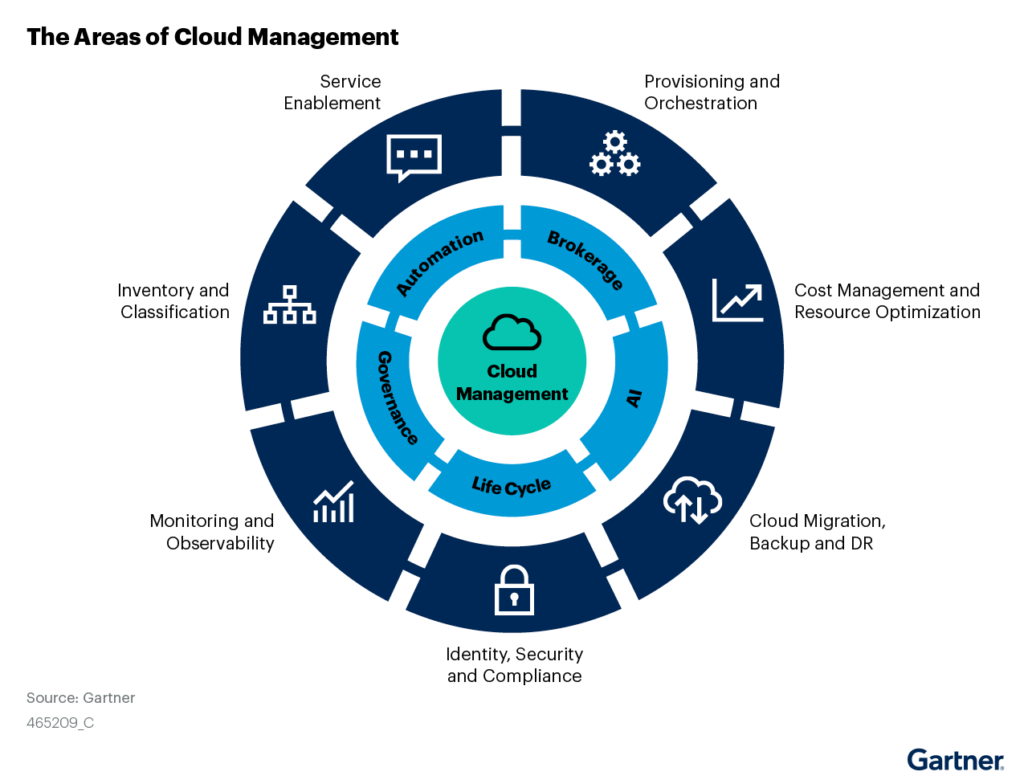
Implementation is where many projects falter. Even the best cloud management platform will be useless if it’s not properly implemented. This isn’t a simple "plug and play" scenario. It requires careful planning, skilled personnel, and a clear understanding of your existing infrastructure and workflows. Gartner’s research often highlights the challenges of CMP implementation, emphasizing the need for a phased approach and a strong project management team. Don’t underestimate the importance of change management. Your teams need to be properly trained and supported throughout the implementation process. Resistance to change is a common hurdle, and addressing it proactively is crucial for success. Consider starting with a pilot project to test the platform’s capabilities in a controlled environment before rolling it out across your entire organization. This allows you to identify and address any issues early on, minimizing disruption and maximizing the chances of a successful implementation. And remember, implementation is not a one-time event. It’s an ongoing process of optimization and refinement. Regularly review your CMP’s performance, identify areas for improvement, and make adjustments as needed. This iterative approach ensures that your platform remains aligned with your evolving business needs. Don’t be afraid to adjust your strategy along the way.
Beyond the initial implementation, ongoing management and optimization are critical. A CMP isn’t a set-it-and-forget-it solution. It requires ongoing attention and proactive management to ensure optimal performance, cost efficiency, and security. Gartner consistently emphasizes the importance of continuous monitoring, automation, and proactive risk management. Regularly review your cloud spending, identify areas of inefficiency, and implement strategies to optimize your resource utilization. Stay on top of security best practices and ensure that your CMP is configured to meet your organization’s security requirements. This includes regular security audits, vulnerability assessments, and incident response planning. Consider leveraging automation tools to streamline your cloud management processes. Automation can reduce manual effort, improve efficiency, and minimize the risk of human error. This is where the real value of a CMP shines. The ability to automate tasks such as provisioning, scaling, and patching frees up your IT team to focus on more strategic initiatives. And remember, the cloud landscape is constantly evolving. New technologies, services, and security threats emerge regularly. Staying informed about these changes and adapting your CMP accordingly is essential for maintaining a secure and efficient cloud environment. Don’t fall behind the curve.
Finally, let’s talk about the human element. The best CMP in the world is useless without the right people to manage it. Gartner’s research often highlights the importance of skills and expertise in cloud management. Investing in training and development for your IT team is crucial for maximizing the value of your CMP. Your team needs to be proficient in using the platform’s features and functionalities, as well as understanding the underlying cloud technologies. Consider building a dedicated cloud management team with expertise in different areas such as cost optimization, security, and operations. This specialized team can provide ongoing support and guidance to your broader IT organization. Remember, the success of your cloud strategy is not just about technology; it’s also about people. Foster a culture of continuous learning and improvement within your IT team. Encourage them to stay up-to-date with the latest industry trends and best practices. Provide them with opportunities to attend conferences, participate in online training, and earn industry certifications. By investing in your people, you’re investing in the long-term success of your cloud strategy. And that’s something Gartner would definitely agree on. The cloud isn’t just a technology; it’s a journey, and having the right team and the right tools – guided by insights from resources like Gartner – is critical for reaching your destination.


