ERP Demystified: Unraveling the Core Purpose of Enterprise Resource Planning
Let’s face it, the acronym "ERP" can be a bit intimidating, especially for those new to the world of business software. It sounds like something out of a sci-fi movie, right? But in reality, ERP, which stands for Enterprise Resource Planning, is a powerful tool that can revolutionize how businesses operate, regardless of their size or industry.
Think of ERP as the central nervous system of your company. It connects all your vital departments and processes, from finance and accounting to human resources and supply chain management, into a single, integrated system. This integration eliminates the need for multiple, disconnected applications that often lead to data silos, inefficiencies, and errors. With ERP, information flows seamlessly throughout your organization, providing a unified view of your operations and enabling better decision-making.
But ERP is more than just a collection of software modules. It’s a philosophy that emphasizes process optimization, data visibility, and real-time insights. By streamlining workflows, automating tasks, and providing a centralized platform for information sharing, ERP empowers businesses to operate more efficiently, respond to market changes faster, and ultimately, achieve their strategic goals.
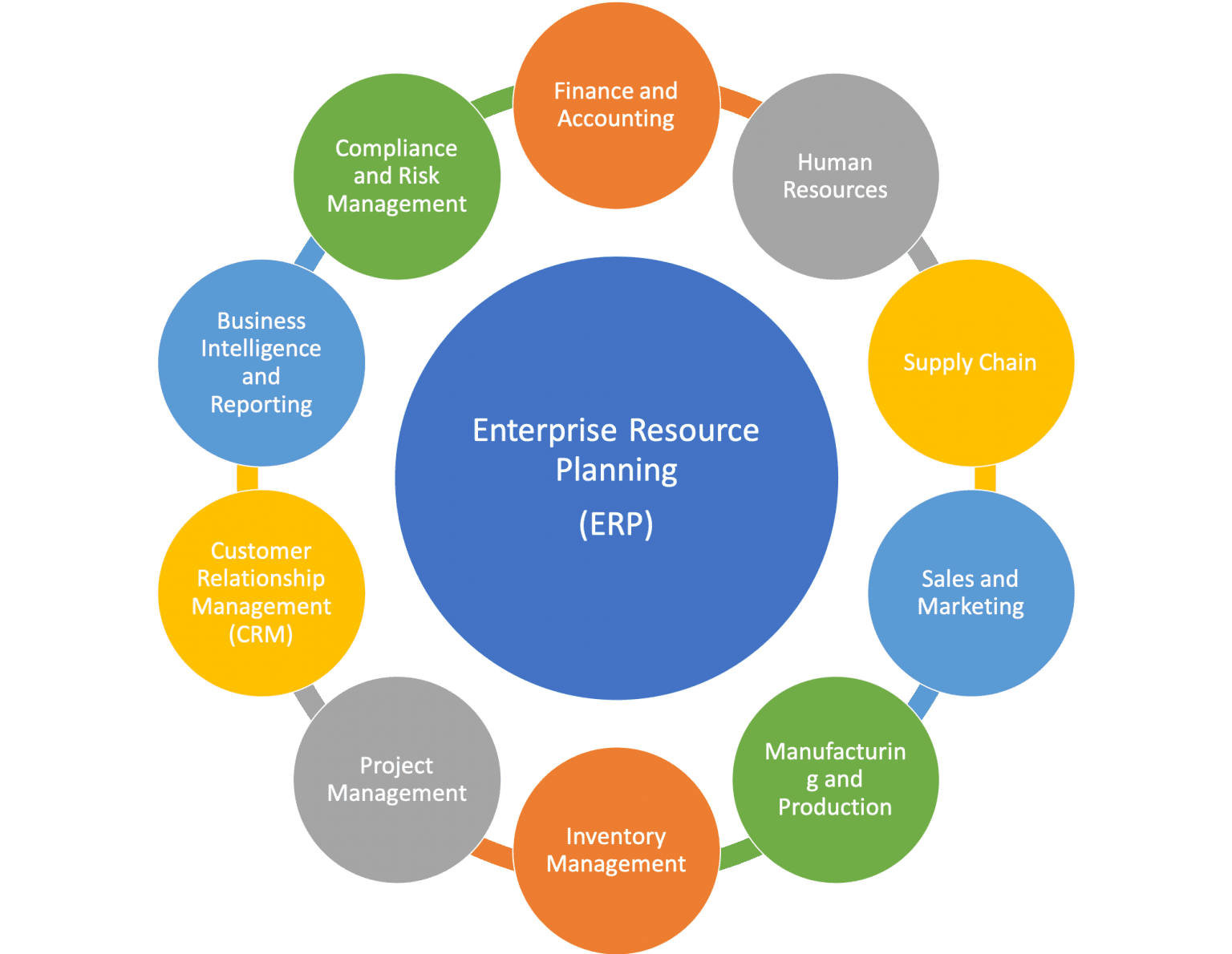
The Core Purpose: A Unified View of Your Business
Imagine a world where all your business data is accessible in real-time, from sales orders and inventory levels to customer information and financial reports. That’s the power of ERP. It provides a single source of truth, eliminating the need for manual data entry, reconciliation, and interpretation. This unified view empowers you to make informed decisions based on accurate and up-to-date information, leading to improved forecasting, better resource allocation, and ultimately, a more profitable business.
But the benefits of ERP extend far beyond data visibility. It also streamlines business processes, automating repetitive tasks and reducing the risk of human error. For example, with an ERP system, you can automate purchase orders, track inventory levels in real-time, and manage customer orders efficiently, all without the need for manual intervention. This frees up your employees to focus on more strategic tasks that drive growth and innovation.
Moreover, ERP enables better collaboration across departments. With a shared platform for information sharing, teams can communicate effectively, share knowledge, and work together seamlessly towards common goals. This fosters a more cohesive and productive work environment, leading to improved efficiency and customer satisfaction.
Beyond the Basics: The Power of ERP in Action
While ERP is often associated with large enterprises, its benefits extend to businesses of all sizes. Small and medium-sized businesses can leverage ERP to manage their growth, improve customer service, and gain a competitive edge.
For example, a small retail store can use an ERP system to track inventory levels, manage customer orders, and analyze sales data, providing valuable insights into customer behavior and market trends. This information can then be used to optimize pricing, improve marketing campaigns, and enhance the overall customer experience.
Similarly, a manufacturing company can use ERP to streamline production processes, track materials usage, and manage quality control. This allows them to optimize production efficiency, reduce waste, and ensure the delivery of high-quality products, ultimately leading to increased profitability.
Choosing the Right ERP Solution: A Strategic Decision
Selecting the right ERP solution is a critical decision that can have a significant impact on your business’s success. It’s important to carefully consider your specific needs and requirements, including your industry, business size, and growth plans.
There are a wide range of ERP solutions available, from cloud-based systems to on-premise deployments, each with its own set of features and benefits. It’s essential to evaluate different options, compare pricing and functionality, and choose a solution that aligns with your business goals and budget.
The Future of ERP: Embracing Innovation and Integration
The world of ERP is constantly evolving, with new technologies and trends emerging all the time. From artificial intelligence (AI) and machine learning (ML) to cloud computing and blockchain, these advancements are transforming how businesses leverage ERP to drive growth and innovation.
AI and ML are being used to automate tasks, improve decision-making, and enhance the overall user experience. Cloud computing is making ERP more accessible and affordable for businesses of all sizes, while blockchain is providing new levels of security and transparency.
As ERP continues to evolve, businesses need to stay ahead of the curve and embrace these emerging technologies. By adopting the latest innovations, companies can optimize their operations, gain a competitive advantage, and unlock new possibilities for growth and success.
ERP: More Than Just Software, It’s a Mindset
ERP is not just about software; it’s about a mindset of continuous improvement and data-driven decision-making. It requires a commitment to process optimization, collaboration, and innovation. By embracing this mindset, businesses can leverage the power of ERP to transform their operations, improve efficiency, and achieve their strategic goals.
So, if you’re looking to take your business to the next level, consider the potential of ERP. It may seem complex at first, but once you understand its core purpose and the benefits it offers, you’ll realize that it’s a powerful tool that can help you achieve your business objectives and unlock new possibilities for growth and success.


