Cloud-Based Software for Business: Your Gateway to Scalability, Collaboration, and Efficiency
Imagine a world where your business operations are seamlessly connected, accessible from anywhere, and constantly evolving to meet your changing needs. This isn’t a futuristic fantasy, but a reality made possible by cloud-based software. This revolutionary technology has transformed the way businesses operate, offering a flexible, scalable, and cost-effective solution for everything from communication and collaboration to data storage and management.
Think of it this way: cloud-based software is like a digital toolbox, packed with powerful tools that can be customized to fit your specific needs. Instead of investing in expensive hardware and software, you simply access these tools through the internet, paying only for what you use. This eliminates the need for complex installations, updates, and maintenance, freeing up your time and resources to focus on growing your business.
The benefits of cloud-based software extend far beyond convenience. It empowers businesses to scale their operations effortlessly, collaborate seamlessly with teams across the globe, and access real-time insights to make data-driven decisions. This flexibility and agility are crucial in today’s dynamic business environment, where adaptability and quick response times are key to staying ahead of the competition.
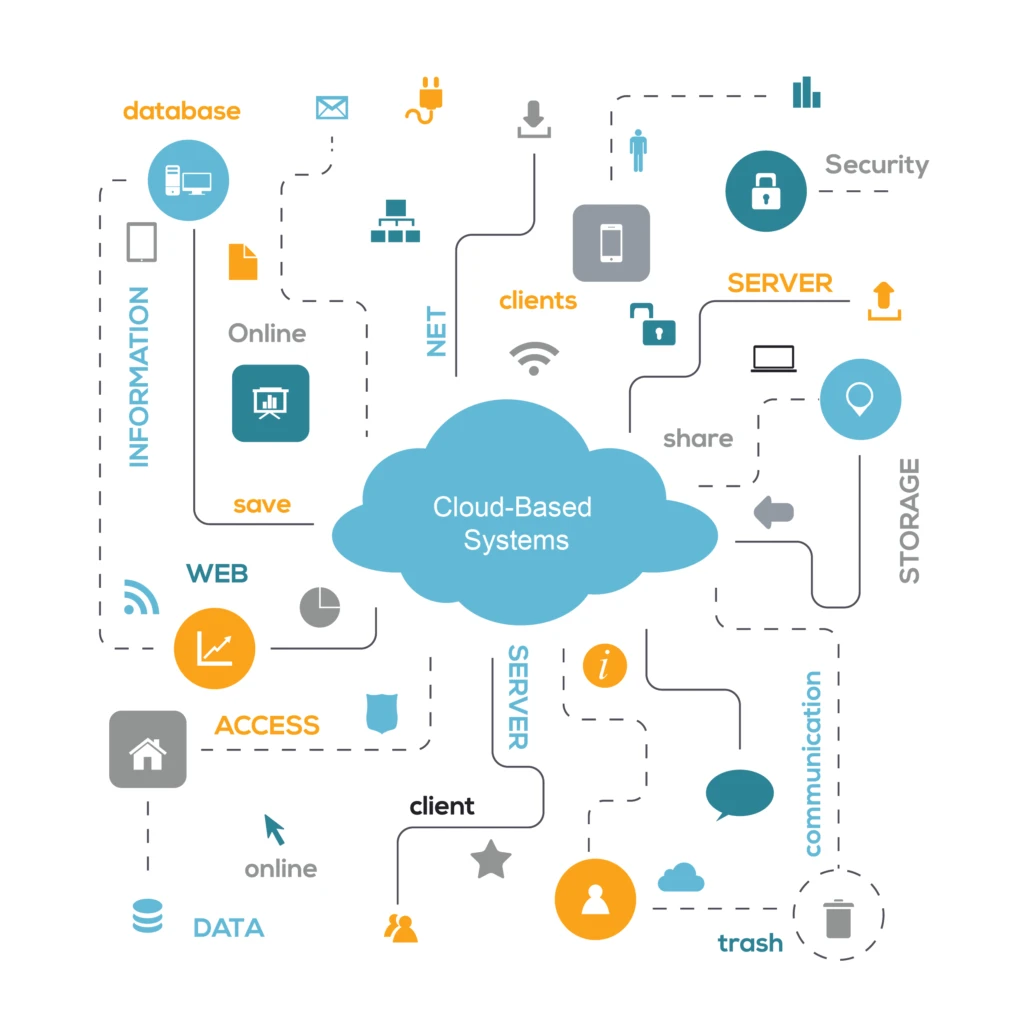
The Power of Cloud-Based Software: Unlocking Business Potential
The beauty of cloud-based software lies in its versatility. It can be tailored to suit a wide range of industries and business sizes, offering solutions for everything from marketing and sales to finance and HR.
Take, for instance, customer relationship management (CRM) software. Cloud-based CRMs have revolutionized the way businesses interact with their customers. They provide a centralized platform to manage customer data, track interactions, and personalize communication. This allows businesses to nurture relationships, improve customer satisfaction, and ultimately drive sales.
Beyond CRM, cloud-based solutions are transforming other critical business functions. Accounting software, for example, allows businesses to manage their finances online, eliminating the need for bulky spreadsheets and manual calculations. Project management tools facilitate efficient collaboration among team members, ensuring projects stay on track and deadlines are met.
The possibilities are endless. Cloud-based software has become the backbone of modern businesses, empowering them to streamline operations, enhance productivity, and stay ahead of the curve.
Embracing the Cloud: Navigating the Transition
While the benefits of cloud-based software are undeniable, transitioning to a cloud-based system can feel daunting. It’s a significant change that requires careful planning and execution. However, the process is far less complex than you might imagine.
Start by identifying your business needs and evaluating the available cloud-based software options. There are numerous solutions out there, each with its own strengths and weaknesses. Consider factors like pricing, features, scalability, security, and customer support when making your decision.
Once you’ve chosen the right software, it’s important to train your team on how to use it effectively. This will ensure a smooth transition and maximize the benefits of the new system. Remember, the key to success is to approach the process with a clear strategy and a willingness to embrace change.
The Future of Cloud-Based Software: A Constant Evolution
The cloud is constantly evolving, with new technologies and features emerging all the time. This means that cloud-based software is always becoming more powerful and versatile.
Artificial intelligence (AI) is playing an increasingly significant role in cloud-based software, automating tasks, providing insights, and improving decision-making. Machine learning algorithms are being used to analyze data, predict trends, and personalize customer experiences.
The integration of cloud-based software with other technologies, like the Internet of Things (IoT), is creating even more exciting possibilities. Businesses can now collect data from connected devices, analyze it in real-time, and use it to optimize operations and make informed decisions.
As the cloud continues to evolve, businesses need to stay informed about the latest trends and innovations. This will allow them to leverage the power of cloud-based software to stay ahead of the competition and achieve their business goals.
Security and Data Privacy: Addressing Concerns
One of the biggest concerns for businesses transitioning to the cloud is security. After all, sensitive data is being stored and processed on servers that are not physically located on their premises.
However, it’s important to understand that reputable cloud providers invest heavily in security infrastructure and protocols. They employ advanced encryption techniques, firewalls, intrusion detection systems, and other safeguards to protect data from unauthorized access.
Furthermore, cloud-based software providers are subject to rigorous compliance standards, such as HIPAA for healthcare data and GDPR for personal information. This ensures that they adhere to strict data privacy regulations.
While it’s essential to choose a reputable cloud provider with strong security measures, businesses also need to take proactive steps to protect their data. This includes implementing strong passwords, enabling multi-factor authentication, and educating employees about best practices for data security.
The Bottom Line: Cloud-Based Software is a Game Changer
Cloud-based software has become an indispensable tool for businesses of all sizes. It offers a flexible, scalable, and cost-effective solution for managing operations, enhancing productivity, and staying ahead of the competition.
From CRM and accounting software to project management tools and collaboration platforms, the cloud has transformed the way businesses operate. It has empowered them to streamline processes, improve efficiency, and make data-driven decisions.
While transitioning to the cloud requires careful planning and execution, the benefits far outweigh the challenges. As the cloud continues to evolve, businesses need to stay informed about the latest trends and innovations to leverage its power and unlock their full potential.
In a world where technology is constantly changing, cloud-based software provides a stable foundation for businesses to thrive. It’s a game changer that can help you achieve your goals and reach new heights.


